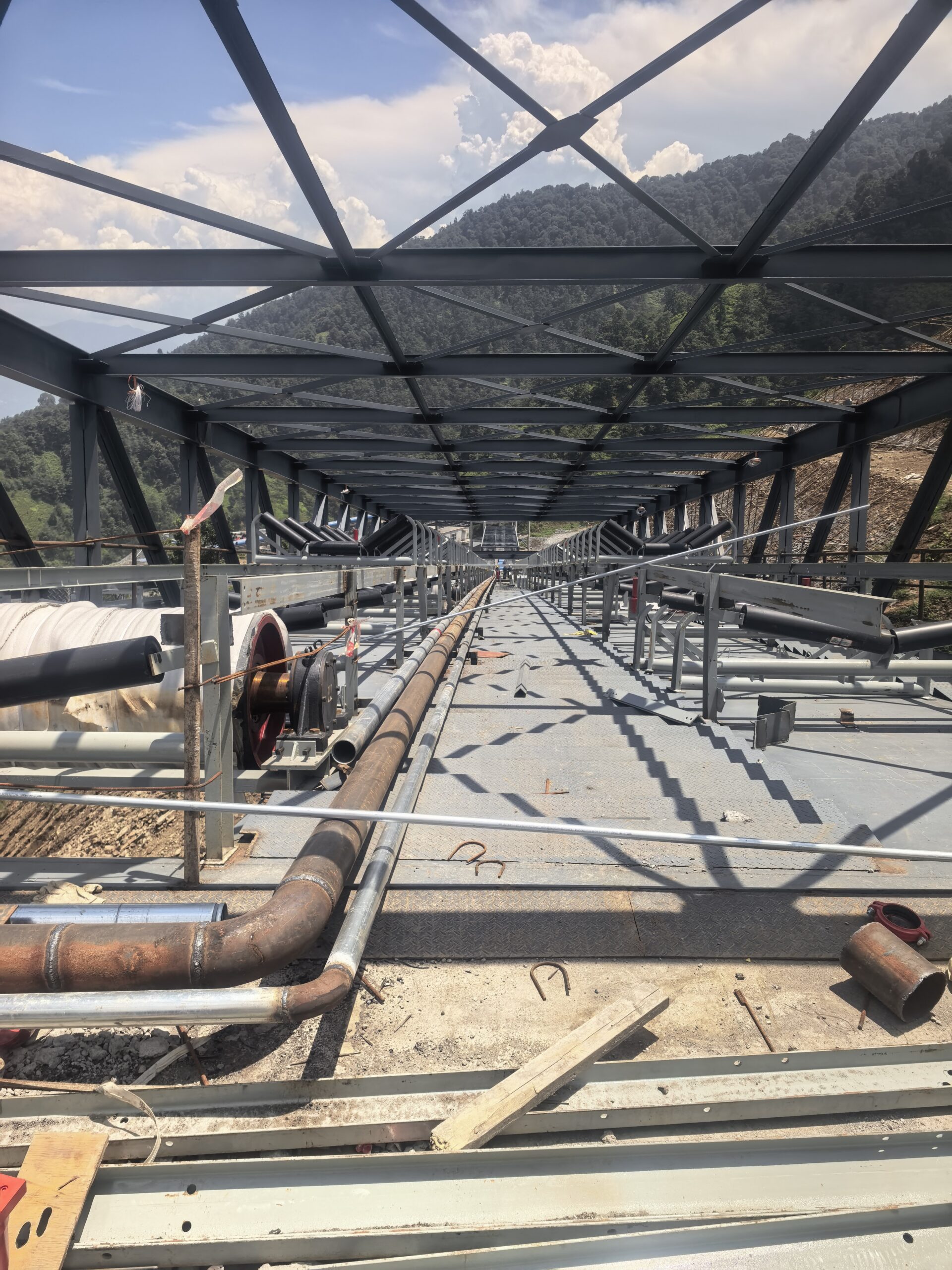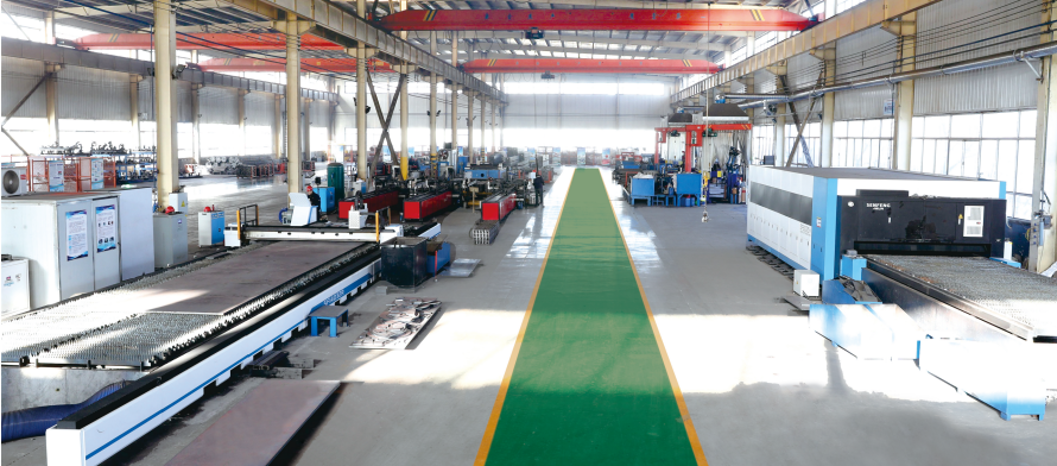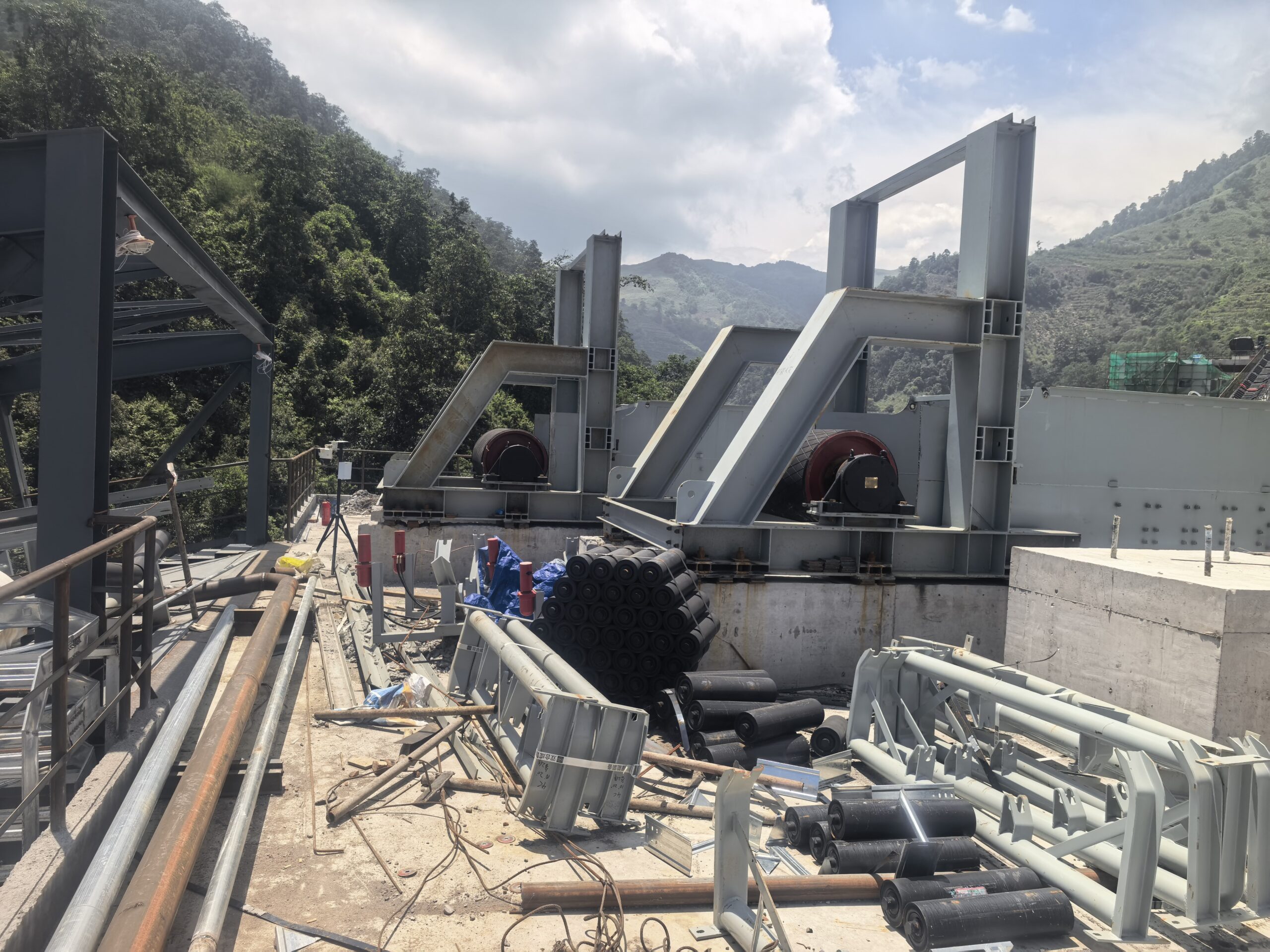
SHANDONG YUANJIN INDUSTRIAL CO., LTD.PROFESSIONAL MINING CONVEYING SOLUTION EXPERT
Mining conveyor equipment and conveyor belt solution
Mining Conveying / Conveyor Belts / Components

Professional Mining Conveying Solutions.Designed Around Working Conditions.

Yuanjin Industrial supplies mining conveyor systems, conveyor belts and key components for coal, ore, aggregate, cement, port stockyard and other bulk-material handling projects.

SystemsMining conveyor routes and heavy-duty conveying equipment
BeltsSteel cord, fabric core and specialty conveyor belt products
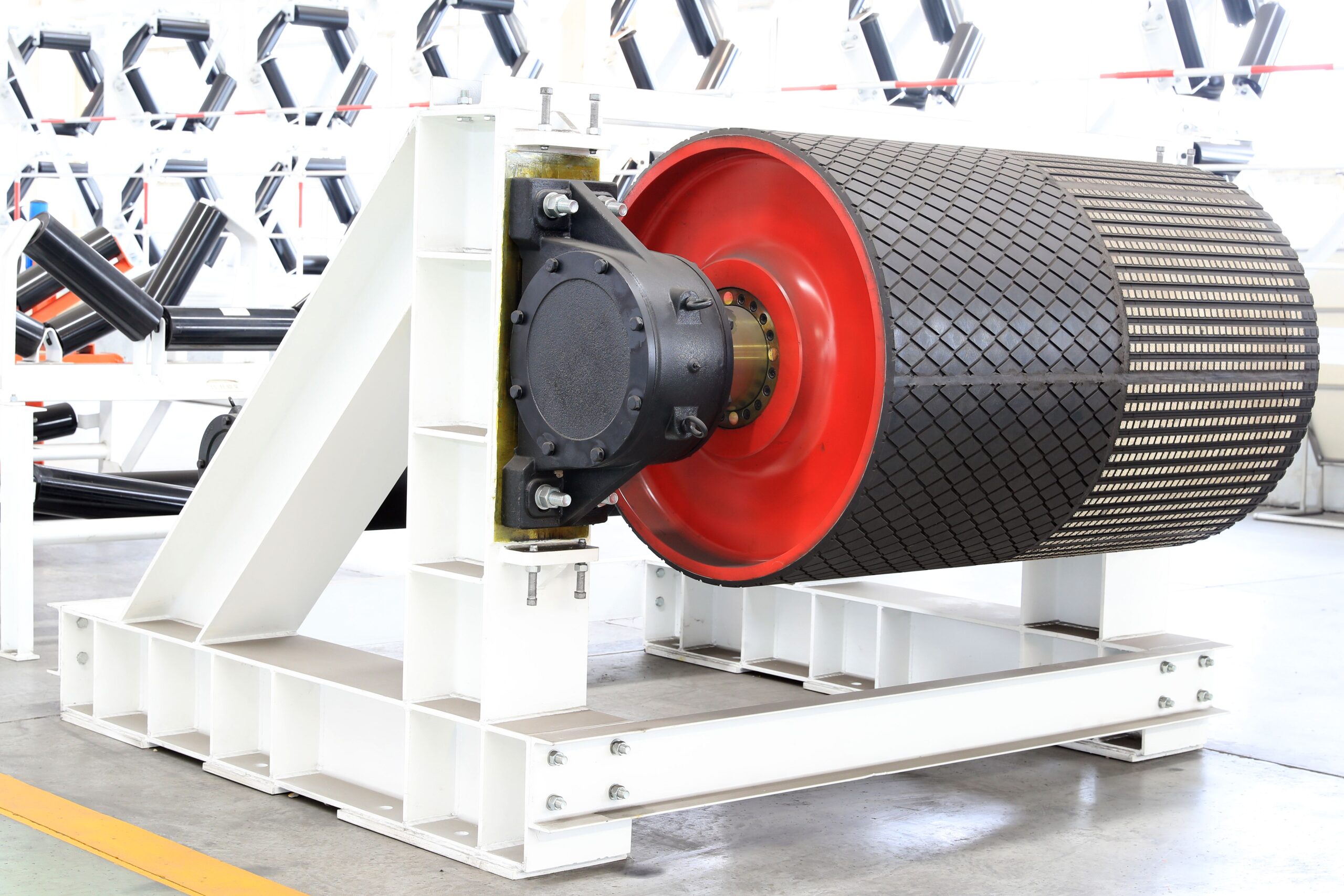
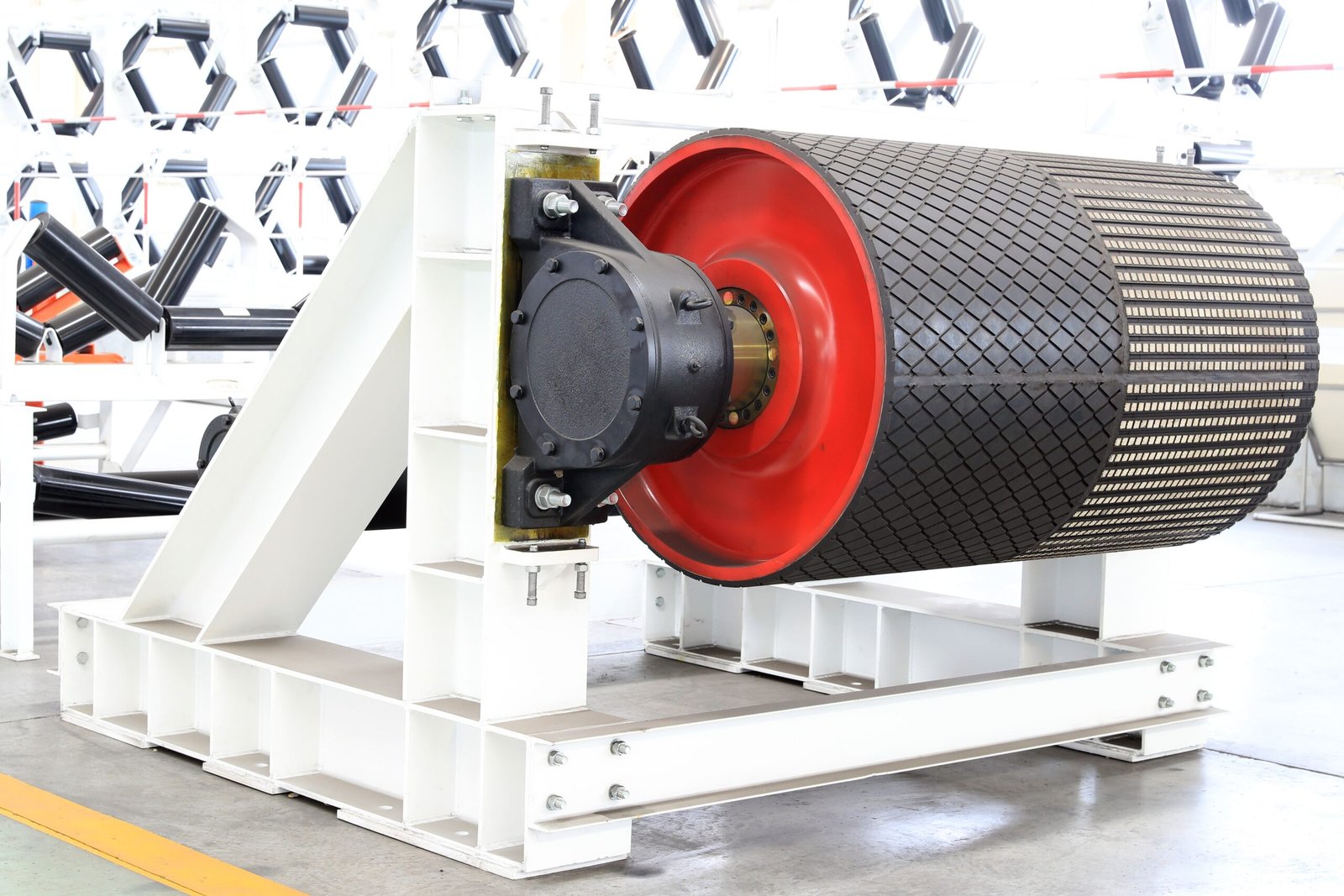
PartsPulleys, drums, idlers and support components
DataMaterial, route, duty, environment and export requirements
Buyer Pain Points

Mining Conveying Problems
That Cost Real Production Time.

For mining and bulk-material projects, the real risk is rarely just finding a lower belt price. The bigger cost usually comes from wrong belt selection, unclear route data, unstable components, material spillage and repeated shutdowns.

01

The belt wears out faster than expected.

Abrasive ore, sharp aggregate, impact loading and poor cover selection can shorten belt life quickly.

WHAT BUYERS LOSE: SHUTDOWN TIME, REPLACEMENT COST AND UNSTABLE PRODUCTION.
02

The conveyor keeps spilling material.

Transfer point design, skirt sealing, idler support and belt tracking problems can create continuous material loss.

WHAT BUYERS LOSE: MATERIAL LOSS, CLEANUP LABOR AND MAINTENANCE PRESSURE.
03

The belt runs off track repeatedly.

Pulley alignment, idler condition, loading point design and tension control may all affect tracking stability.

WHAT BUYERS LOSE: SAFETY MARGIN, SERVICE LIFE AND PROJECT CONFIDENCE.
04

The selected belt cannot handle real duty.

Price-only selection can fail under high load, heat, flame risk, impact, moisture or outdoor exposure.

WHAT BUYERS LOSE: TIME, COMPARISON ACCURACY AND NEGOTIATION EFFICIENCY.
05

Idlers and pulleys fail too often.

Component quality, bearing selection, sealing, load and operating environment directly affect maintenance cycles.

WHAT BUYERS LOSE: WRONG EQUIPMENT MATCHING AND EXTRA ENGINEERING REVISION.
06

The system capacity cannot reach target output.

Belt width, speed, loading design, transfer points and route resistance may limit actual conveying capacity.

WHAT BUYERS LOSE: UNPLANNED STOPPAGE AND HIGHER MAINTENANCE COST.
07

Heat, flame or abrasion risk is underestimated.

Special working conditions need specific cover grade, carcass design and safety-oriented product selection.

WHAT BUYERS LOSE: SHORTER PRODUCT LIFE AND UNSAFE OPERATION.
08

The factory cannot quote accurately from vague data.

Without material, capacity, belt width, distance, speed, temperature and site conditions, suppliers can only guess.

WHAT BUYERS LOSE: PROCUREMENT SPEED AND PROJECT CONTROL.
Solution Hub

Three Entry Points.
One Conveying System.

Choose the entry point that matches your project stage. Whether you are planning a new conveyor route, selecting a belt, replacing components or preparing quotation data, Yuanjin helps connect your working condition with the right product direction.

Mining conveyor systems
Route 01 / System

Mining Conveyor Systems

For new conveyor routes, equipment replacement and production-site material transfer projects.

View system structure ->
Conveyor belt products
Route 02 / Belt

Conveyor Belt Selection

For buyers comparing belt structure, cover grade, strength rating and working-condition requirements.

View belt categories ->
Conveyor components
Route 03 / Components

Conveyor Components

For pulley, idler, drum, cleaner and support component selection, maintenance and replacement.

View components ->
Featured Mining Products

Product Display
For Mine-Site Selection.

Browse core conveyor belt, conveyor equipment and component products for mining and bulk-material handling projects. Start from product category, then confirm the final specification by material, capacity, route data and duty risk.

Conventional steel cord conveyor belt
Conveyor Belt / Steel Cord

Steel Cord Conveyor Belt

Heavy-duty belt category for long-distance, high-load mining and bulk-material conveying routes.

View route ->
Flame resistant fabric conveyor belt
Conveyor Belt / Safety

Flame Resistant Belt

Fabric core belt option for coal mine and controlled-risk conveying environments.

View route ->
General purpose steel cord conveyor belt
Conveyor Belt / Heavy Duty

General Steel Cord Belt

Steel cord belt option for high-capacity bulk handling and long conveyor routes.

View route ->
Burning resistant conveyor belt
Conveyor Belt / Specialty

Burning Resistant Belt

Specialty belt route for hot material and demanding industrial conveying conditions.

View route ->
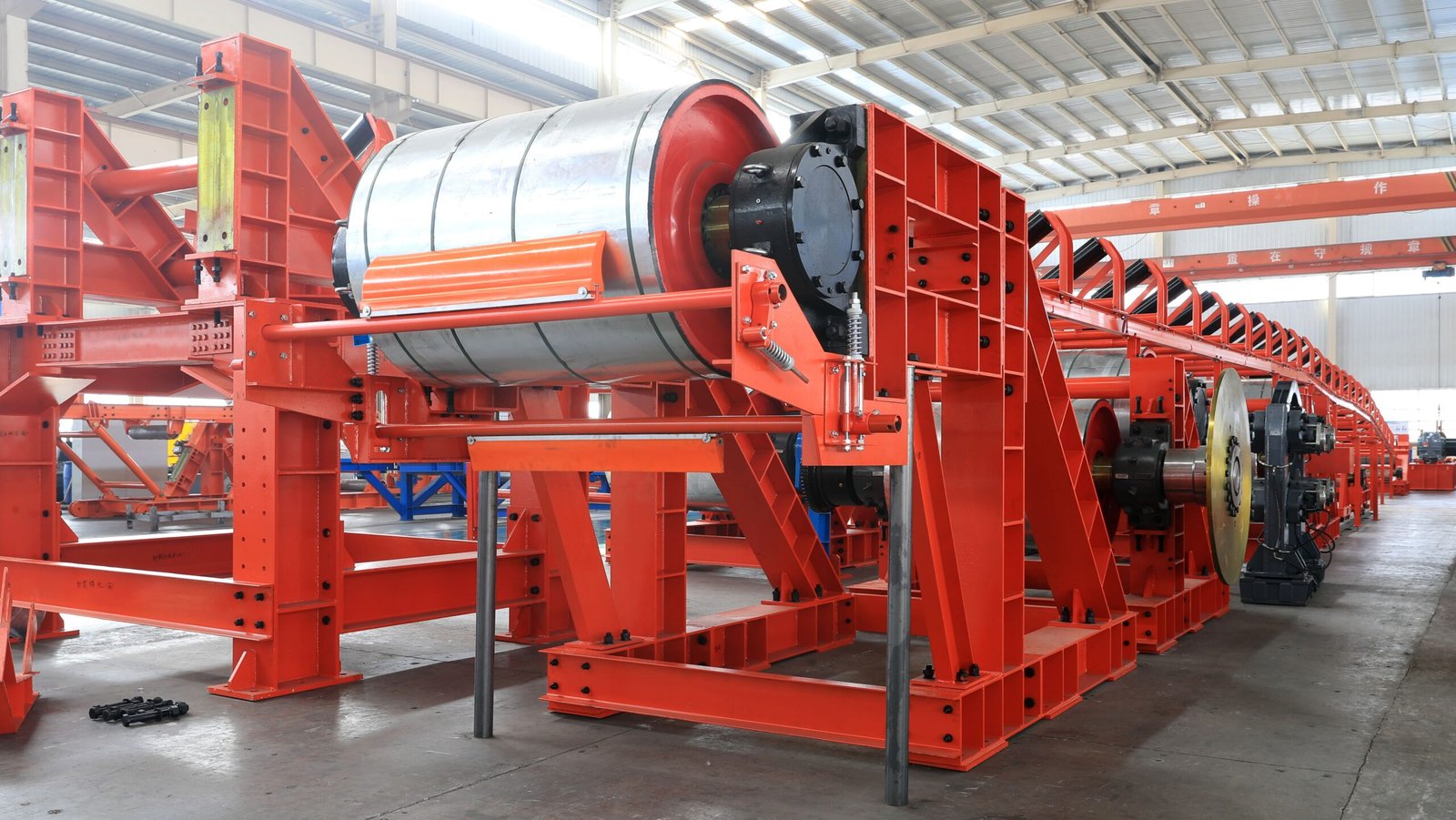
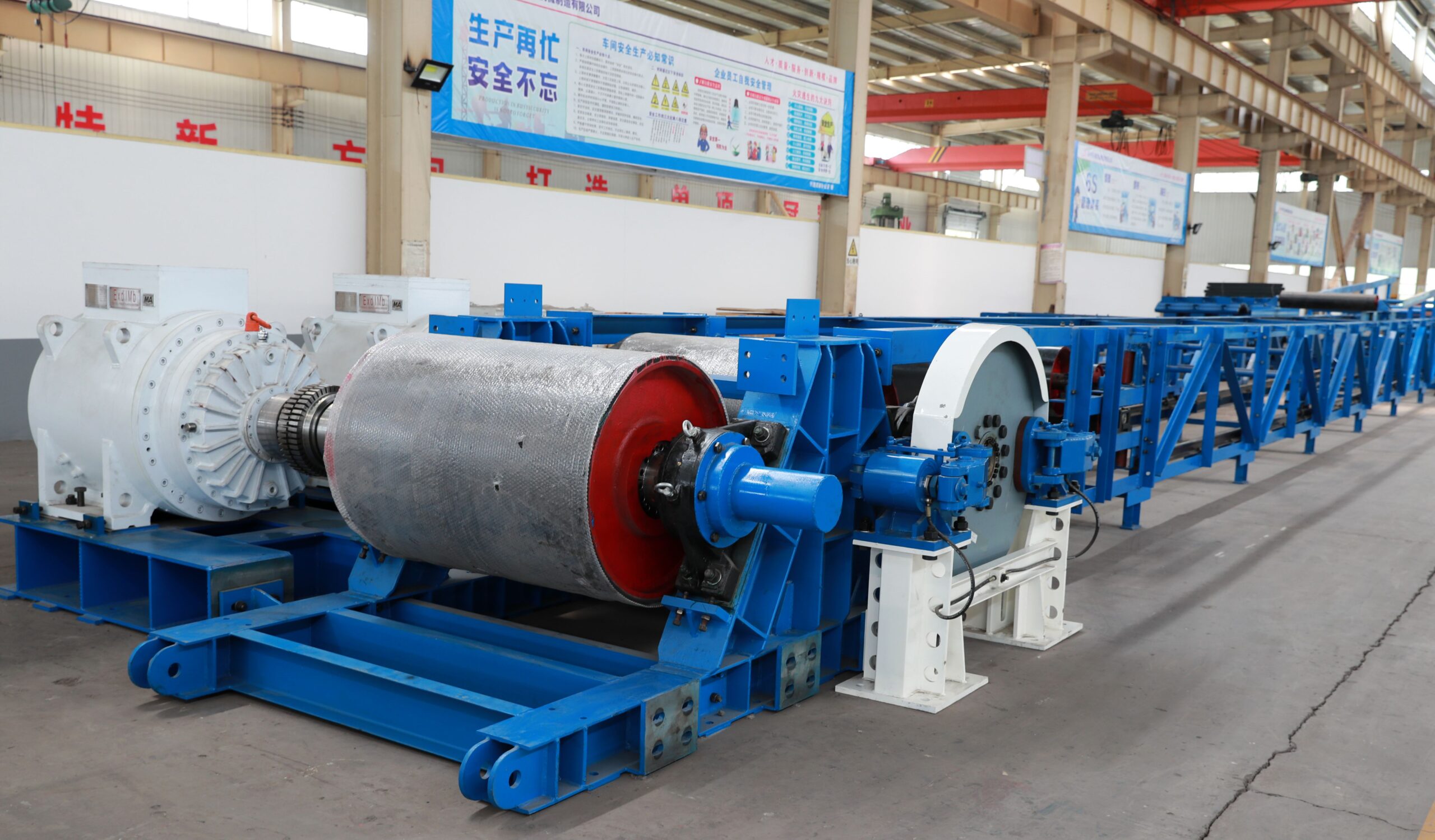
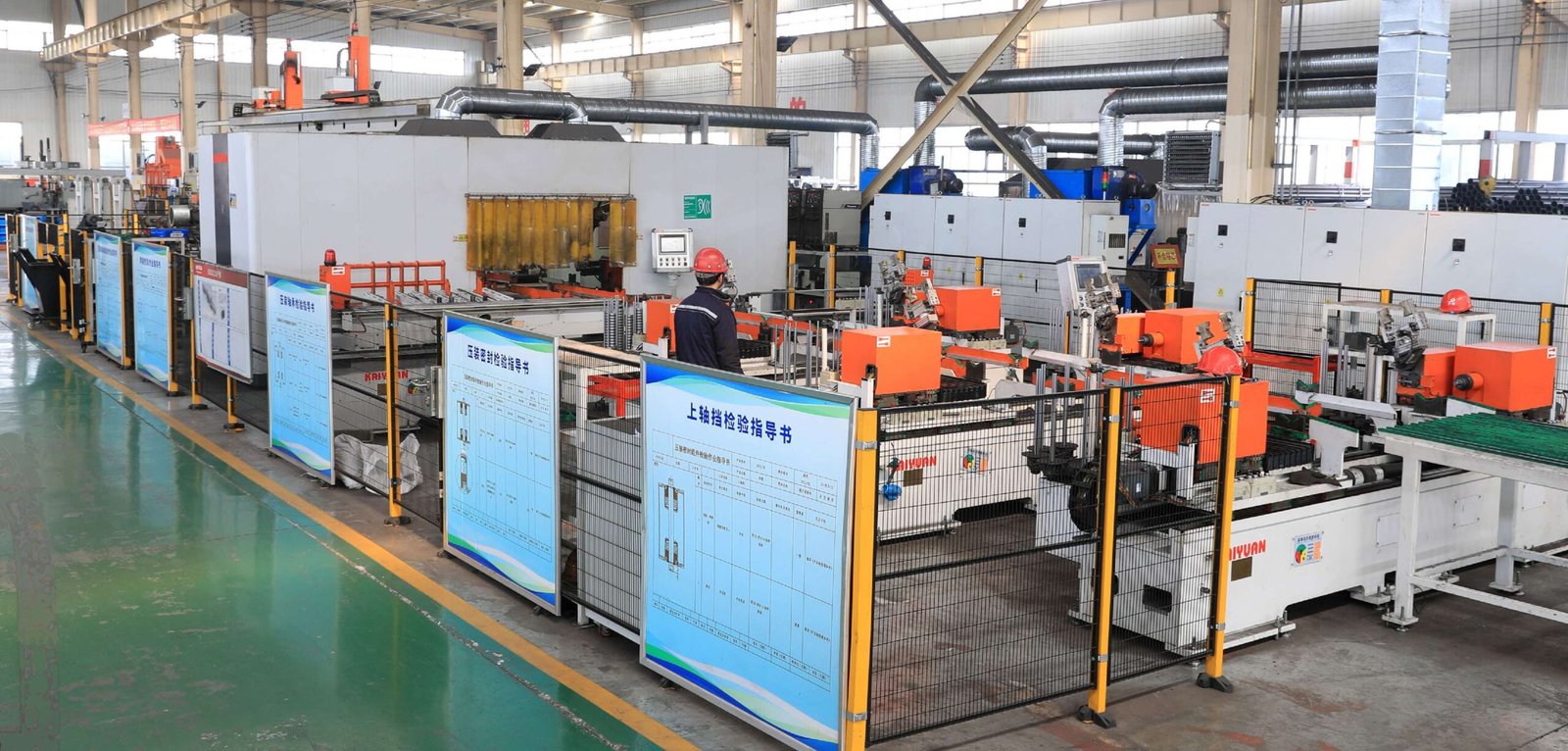
Factory support for mining conveyor system
System Anatomy

A Conveyor Is Not
Only A Belt.

A conveyor system depends on belt selection, pulleys, idlers, drums, cleaners, transfer points and route layout working together. Reviewing the full route helps reduce mistracking, spillage, abnormal wear and repeated downtime.

01

Belt Body

Confirm belt structure, strength grade, cover thickness and cover compound by material and route duty.

02

Drive & Pulley

Match pulley diameter, lagging, shaft and bearing design with belt tension and working load.

03

Idler Support

Check carrying idlers, return idlers, impact beds and support frames according to route condition.

04

Route Equipment

Review loading points, skirt sealing, cleaners and discharge area to reduce spillage and carryback.

Product Matrix

Match Product Type
To Working Condition.

Use this selection table to match product type with working condition, typical risks and required inquiry data. It helps buyers decide whether the inquiry should begin with belt selection, conveyor system review or component matching.

Product Route
Typical Need
Key Inputs
Related Content
Steel Cord Conveyor Belt
Long-distance, high-load conveying

Mine, port, cement and power applications

Data: length, load, speed, width, strength
System anatomy / Working condition / Inquiry checklist
Fabric Core Conveyor Belt
General conveying and coal mine safety

Flexible product range for common industrial routes

Data: material, cover grade, safety requirement
Applications / Belt category / Quotation route
Specialty Conveyor Belt
Heat, flame, abrasion, impact or tear risk

Demanding material and site conditions

Data: temperature, abrasion, impact, risk level
Selection guide / Failure prevention / Inquiry
Conveyor Components
System maintenance or equipment upgrade

Pulleys, idlers, drums and support parts

Data: belt width, load, bearing, installation
System anatomy / Components / Support
Professional Project Route

From Mine Condition
To Supply Direction.

Start with the working condition, then confirm the supply direction. Material, capacity, belt width, route length, lift height, speed and duty risk help determine whether the project needs a conveyor belt, complete system or component review.

01

Material Profile

Coal, ore, aggregate, cement, clinker, limestone, sand, gravel, particle size and moisture.

02

Route Requirement

Distance, lift, inclination, transfer points, belt width, speed and installation space.

03

Duty & Risk

Abrasion, heat, flame, impact, tearing, outdoor exposure and maintenance expectations.

04

Supply Decision

Belt category, conveyor equipment, component route, quotation notes and export follow-up.

Application Network

Every Application
Links Back To Products.

Each application has different conveying risks. Coal mining, ore handling, aggregate plants, cement lines and port stockyards may require different belt structures, cover grades and component checks.

01

Coal Mining

Flame-resistant belts, underground or surface conveying, mine-duty components and safety requirements.

02

Ore & Aggregate

Abrasion-resistant belts, heavy-load conveyor routes and impact-zone component selection.

03

Port & Stockyard

Long-distance outdoor conveying, bulk handling, weather exposure and maintenance planning.

04

Cement & Power

Heat, dust, clinker, coal handling, limestone transfer and continuous-operation demands.

Inquiry Checklist

What Data Makes A Quotation Useful?

Accurate quotation starts with clear working-condition data. Share the material, capacity, belt width, route length, lift height, speed, duty risk and destination market so Yuanjin can recommend a practical product route.

MaterialCoal, ore, aggregate, cement, clinker, particle size, moisture, density and temperature.
RouteHorizontal length, lifting height, inclination, transfer points, installation layout and space limits.
CapacityTarget tph, belt speed, belt width, peak load and operating hours per day.
RiskAbrasion, flame, heat, impact, tearing, corrosion, dust and outdoor exposure.
MarketDestination country, standards, packaging, documentation and after-sales expectations.
Knowledge Hub Concept

Build Authority
Before The Inquiry.

Before sending an inquiry, buyers can review product categories, application risks, selection data and component requirements. The more complete the working condition, the more accurate the recommendation and quotation.

01

How To Select Conveyor Belt Type

Steel cord vs fabric core vs specialty belt by load, distance, material and risk.

02

Common Conveyor Component Failures

Idler wear, pulley lagging, tracking issues, bearing failure and maintenance signals.

03

Mining Conveyor Inquiry Checklist

What information engineers need before recommending a belt or equipment route.

04

Conveying Cost And Lifetime Factors

How belt quality, route design, maintenance and component selection affect lifecycle cost.

Mining Conveying Inquiry

Send Your Working
Condition.

Tell us what material you need to move and what conveyor condition you are working with. Yuanjin will review the information and suggest a product direction for quotation.