Mining Conveyor System Solutions
For new conveyor routes, equipment replacement or production-site upgrades, conveyor planning starts with material type, route length, lift, transfer points, capacity target and operating duty.
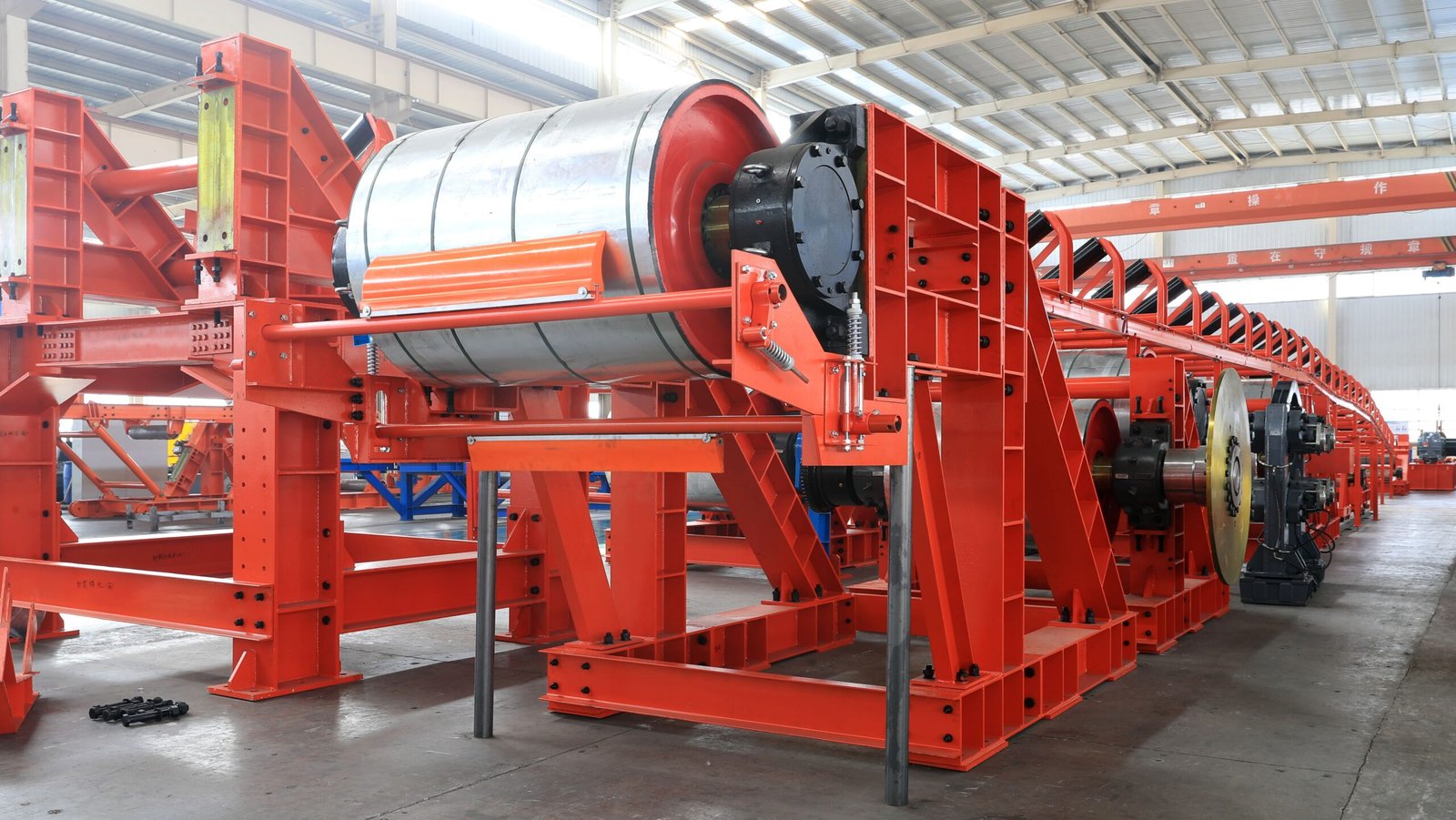
Yuanjin Industrial provides application-based conveying solutions for mining and bulk-material operations, including conveyor belt selection, conveyor system routing and key component support.
Start from the problem you need to solve: a new conveyor route, a belt selection issue, a component replacement need or a specific application site. Yuanjin helps route the requirement toward the right solution path.

For new conveyor routes, equipment replacement or production-site upgrades, conveyor planning starts with material type, route length, lift, transfer points, capacity target and operating duty.

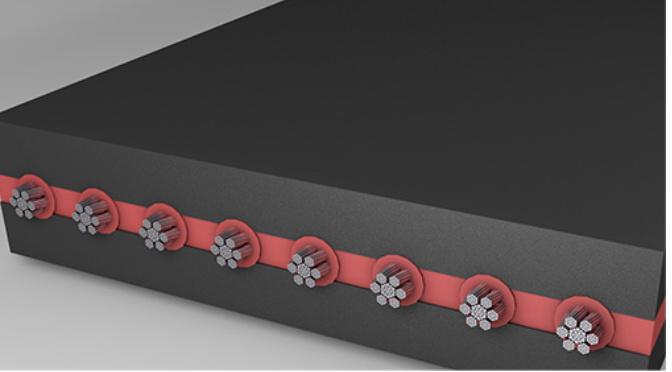
Conveyor belt selection should follow material, route tension and site risk. Steel cord, fabric core and specialty belts are matched by load, safety, temperature, abrasion and impact condition.

Conveyor belt selection should follow material, route tension and site risk. Steel cord, fabric core and specialty belts are matched by load, safety, temperature, abrasion and impact condition.
Use this comparison table to decide the best starting point for your inquiry. A complete conveyor system planning, belt selection or component replacement route may require different technical data.
Confirm route, capacity and layout before equipment selection.
Belt width, strength and cover grade depend on route data.
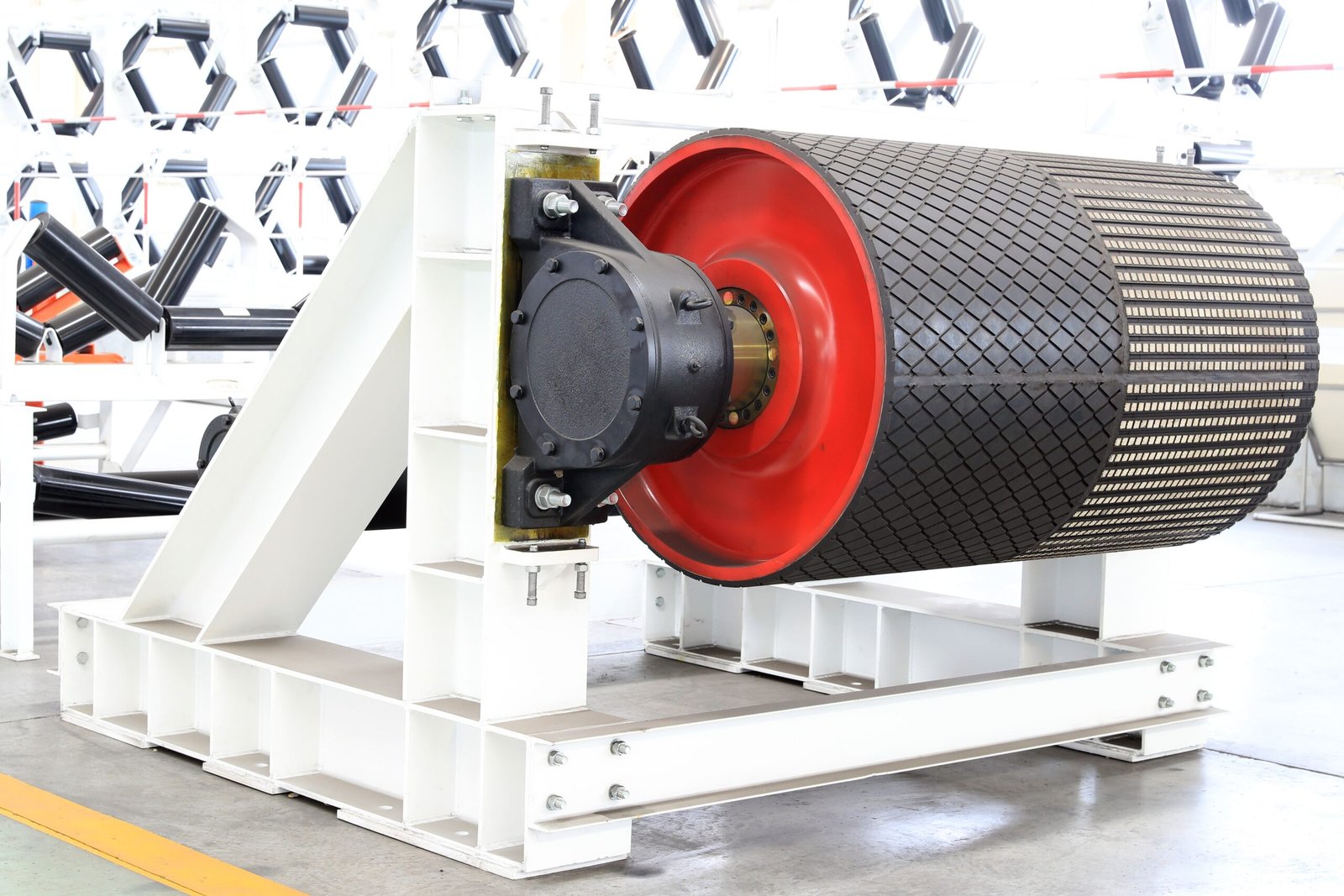
Pulley and idler specifications follow system load and duty.
Transfer points, tracking and loading conditions may cause the failure.
Review carcass structure, cover grade and duty requirement.
Worn idlers, pulleys or alignment issues can shorten belt life.
Usually not required unless the conveyor route is being upgraded.
Component condition should be checked if belt life is unstable.
Provide dimensions, load, bearing, drawing and operating condition.
Accurate conveying solutions begin with clear working-condition data. Yuanjin reviews material, route, duty and product requirements before recommending a solution direction.
Material type, particle size, moisture, temperature, density and abrasiveness.
Conveyor distance, lift, inclination, belt width, speed, transfer points and installation space.
Abrasion, flame risk, heat, impact, tearing, outdoor exposure and maintenance frequency.
Confirm whether the requirement belongs to system equipment, belt selection, components or a combined route.
Technical clarification, product direction, quotation follow-up and export communication.
Different applications create different conveying risks. Yuanjin matches coal, ore, aggregate, cement, power plant and port conditions with suitable conveyor belt and component directions.
Coal conveying may require flame-resistant belts, mine-duty conveyor equipment, reliable idlers and route support for underground or surface operation.
Ore and aggregate handling requires abrasion-resistant belt options, impact-zone protection and heavy-load conveyor route planning.
Port, cement and power plant routes often involve long-distance outdoor conveying, dust, heat, clinker, limestone and continuous-duty operation.
Share your material, capacity, route length, belt width, operating environment and current problem. Yuanjin will help determine whether your inquiry should begin with conveyor equipment, belt selection, components or a combined solution.