SHANDONG YUANJIN INDUSTRIAL CO., LTD.PROFESSIONAL MINING CONVEYING SOLUTION EXPERT
Conveyor belt selection solution
Solution 02 / Conveyor Belt Selection

Conveyor Belt Selection Solutions.Match Belt Structure To Working Duty.

For mining and bulk-material conveying, the right belt depends on route tension, material impact, safety requirements, temperature, abrasion, cover grade and operating environment.

SteelLong-distance and high-load conveyor routes
FabricGeneral and medium-duty conveying
SafetyFlame resistant coal mining applications
DutyHeat, abrasion, tearing and impact risk
Selection Pain Points

The Belt Fails
When Duty Is Misread.

01

Belt strength is selected too low.

Long route, high capacity or high lift may require steel cord structure and higher tension review.

Risk: safety margin and service life.
02

Cover grade does not match material.

Sharp aggregate, ore, clinker or hot material can damage unsuitable cover rubber quickly.

Risk: fast wear and repeated replacement.
03

Safety requirement is unclear.

Coal mining and controlled-risk sites may need flame resistant or safety-duty belt routes.

Risk: compliance uncertainty.
04

System issue is blamed on belt.

Pulley, idler, tracking, loading and transfer point issues can shorten belt life.

Risk: wrong replacement decision.
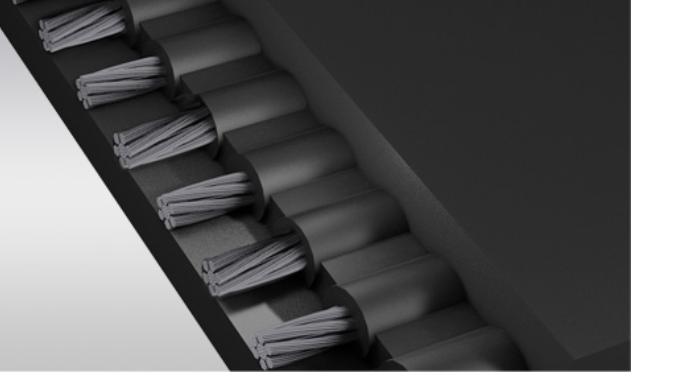
Conveyor belt structure
Selection Logic

Start With Route, Material And Duty.

A conveyor belt is not just a rubber product. Its carcass, cover grade, safety performance and special resistance must match the conveyor route and material behavior.

Yuanjin Industrial helps you decide whether the inquiry should start from steel cord belts, fabric core belts, flame resistant belts, heat resistant belts, abrasion resistant belts or system-level review.

View Belt Selection Guide ->
Belt Product Routes

Choose By Belt Type.
Confirm By Application.

Review the main conveyor belt routes below, then confirm the final specification by material, route tension, cover grade, safety duty and operating environment.
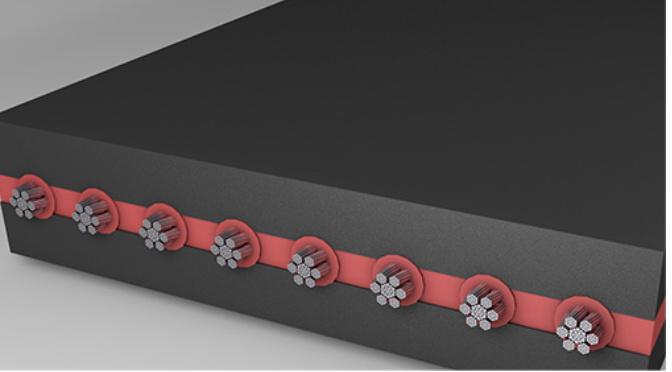
Steel cord conveyor belt
Steel Cord

Steel Cord Conveyor Belt

For long-distance, high-load and high-tension mining conveyor routes.

View Product ->
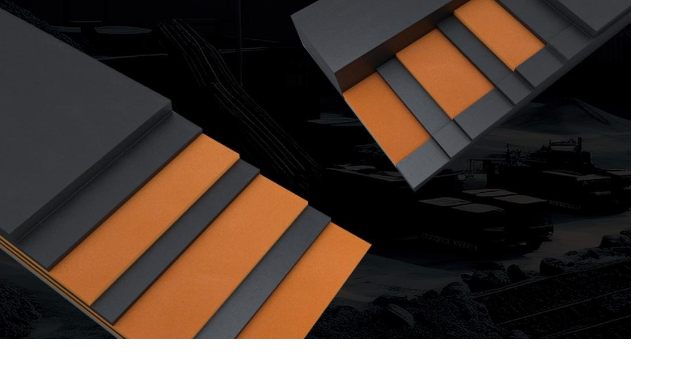
Fabric conveyor belt
Fabric Core

Multi-Ply Fabric Belt

General-purpose belt route for medium-duty bulk-material conveying.

View Product ->
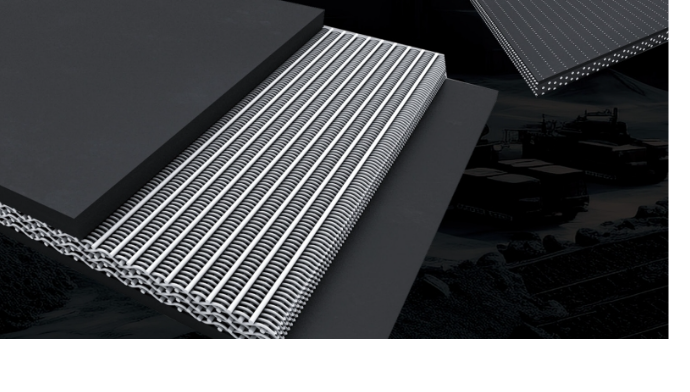
Flame resistant conveyor belt
Safety

Flame Resistant Belt

For coal mining and controlled-risk applications requiring safety-duty belt performance.

View Product ->
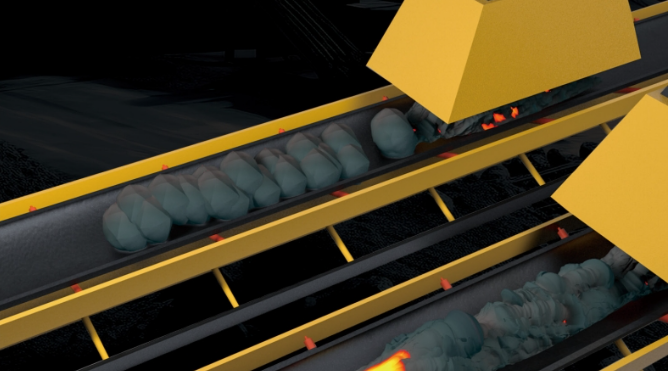
Heat resistant conveyor belt
Heat

Heat Resistant Belt

For clinker, coke, sinter and high-temperature bulk material conveying.

View Product ->
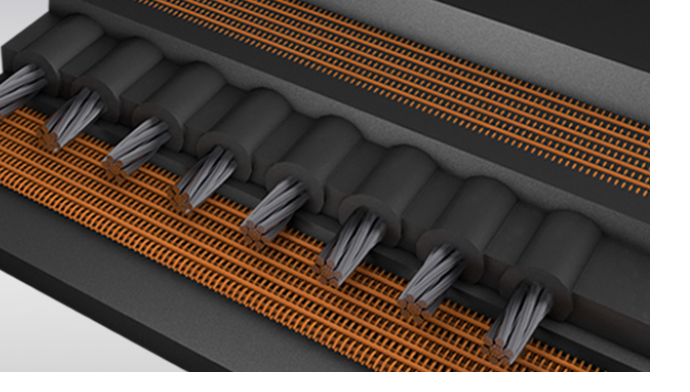
Tear resistant conveyor belt
Impact

Tear Resistant Belt

For sharp material, high-impact loading zones and demanding mine-site operation.

View Product ->
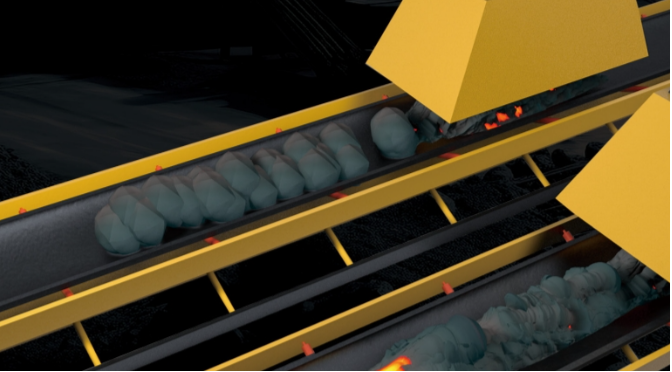
Burning resistant conveyor belt
Specialty

Burning Resistant Belt

Specialty route for hot material and harsh industrial conveying conditions.

View Product ->
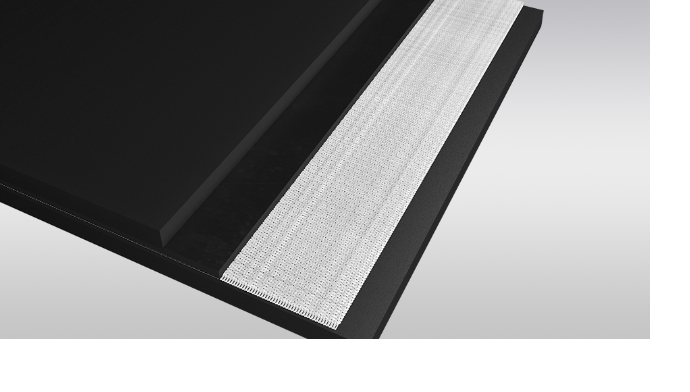
Aramid conveyor belt
Lightweight Strength

Aramid Conveyor Belt

Alternative belt route where weight, strength and energy use need review.

View Product ->
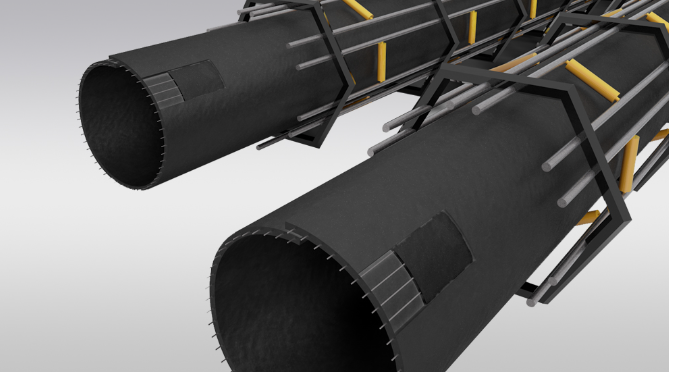
Tubular conveyor belt
Enclosed Route

Tubular Conveyor Belt

For enclosed conveying routes where spillage, dust and routing conditions matter.

View Product ->
Selection Matrix

Match Condition
To Belt Direction.

Use the matrix below to match working conditions with the belt family that should be reviewed first.

Working Condition
Main Risk
Suggested Belt Route
Data Needed
Next Page
Long-distance high-load route
High tension and capacity
Steel cord conveyor belt
Length, lift, width, speed, tph
Coal mining safety duty
Flame and safety requirement
Flame resistant belt
Safety standard, environment, route
Hot material conveying
Cover rubber heat damage
Heat resistant belt
Material temperature, contact time
Sharp ore and aggregate
Abrasion, impact, tearing
Tear / abrasion resistant belt
Particle size, loading height, tph
Cover Grade Logic

Cover Rubber
Should Follow The Material.

The same belt structure can fail quickly if the cover grade does not match the transported material and operating environment.

01

Abrasion Resistance

For ore, aggregate, coal and mineral materials that continuously wear belt cover.

  • Particle size
  • Sharpness
  • Loading height
02

Heat Resistance

For clinker, coke, sinter and high-temperature bulk materials.

  • Material temperature
  • Contact time
  • Cover cracking risk
03

Flame Resistance

For coal mining and controlled-risk conveyor routes.

  • Safety standard
  • Mine environment
  • Regulatory requirement
Belt Inquiry Flow

From Working Duty
To Belt Direction.

Professional belt selection starts from data, not just catalog names.

01

Material Profile

Coal, ore, aggregate, cement, temperature, moisture and particle size.

02

Route Data

Belt width, speed, distance, lift, inclination and transfer points.

03

Duty Risk

Flame, heat, abrasion, tearing, impact and outdoor exposure.

04

Belt Structure

Steel cord, fabric core, specialty belt or system-level review.

05

Quotation Follow-Up

Confirm cover grade, strength, standard, quantity and delivery requirement.

Belt Inquiry

Send Your Belt Working Condition.

If you already know the belt type, send it. If not, describe the material, route and problem. Yuanjin will help select the product direction.