Designed for coal, mining and other bulk material conveying applications, featuring high stiffness, low elongation, smooth operation and reliable impact resistance.
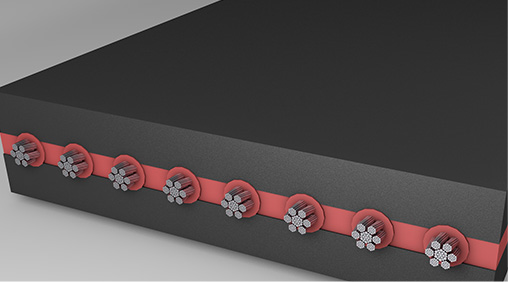
General purpose steel cord conveyor belts are widely used for material conveying in coal, mining and other bulk material handling applications.
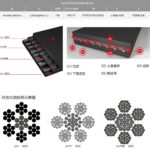
Square steel bars are arranged transversely along the belt structure and filled with rubber. The reinforced core is wrapped and covered with upper and lower rubber layers, while edge rubber is applied along both sides of the belt body.
The belt operates with steel wire rope traction, helping support smooth and stable running during conveying.
The belt body primarily carries the transported material rather than bearing the main tensile load.
Key characteristics include:
GB/T 9770-2013.
The reinforced belt structure provides high stiffness for stable conveying performance.
Designed with very low elongation characteristics to support consistent belt operation.
Steel wire rope traction helps support smooth and stable movement during operation.
The reinforced construction helps improve resistance to impact during bulk material conveying.
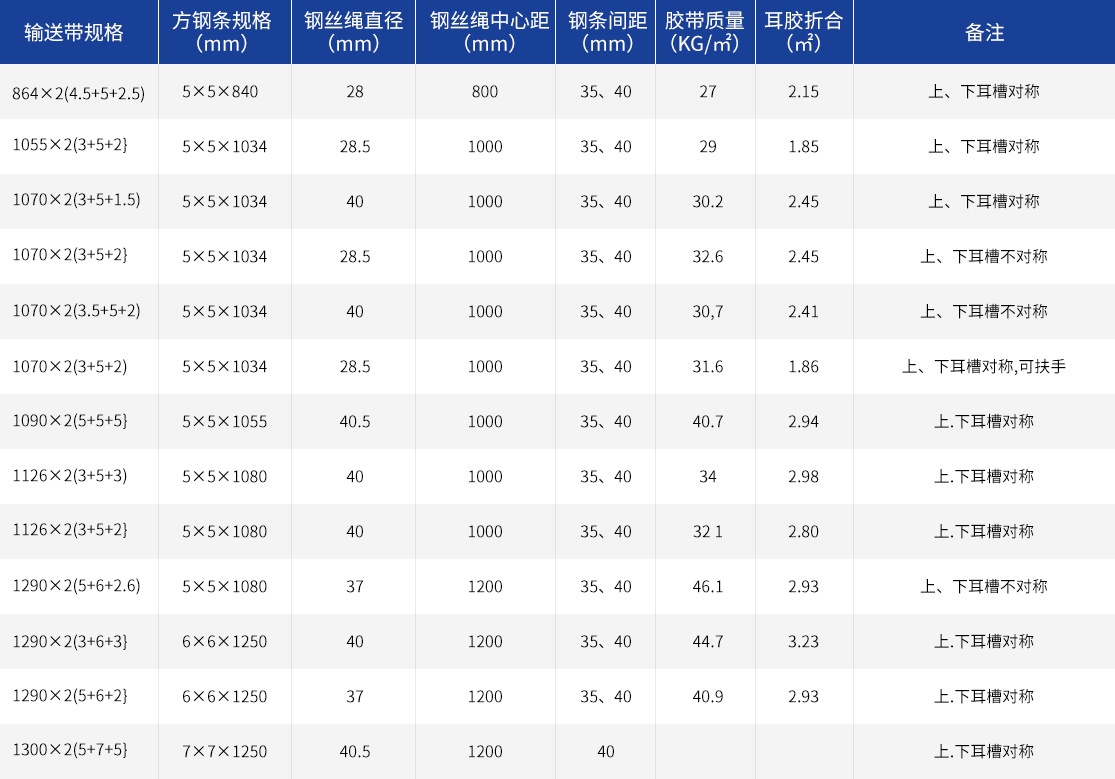
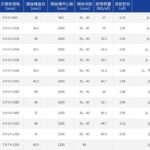
Confirm the conveying environment, material characteristics and required belt construction before final product selection.
| Specification | Product Data |
|---|---|
| Application | Coal Mining Bulk Material Conveying |
| Performance | High Stiffness Low Elongation Impact Resistant Smooth Running |
| Construction | Steel Cord Reinforced Transverse Steel Bar Structure |
| Standard | GB/T 9770-2013 |
Suitable for coal handling systems requiring stable and reliable bulk material transportation.
Applicable to mining environments where high stiffness and impact resistance are important.
Designed for continuous transportation of bulk materials in industrial conveying systems.
The reinforced structure supports demanding conveying duties where belt stability is critical.
Provide material type, bulk density, particle size and impact characteristics.
Provide conveyor length, inclination and transfer-point arrangement.
Confirm belt speed, conveying capacity and operating schedule.
Confirm whether GB/T 9770-2013 or another applicable steel cord conveyor belt standard is required.
Send us your operating conditions and requirements for a product-specific discussion.