Selection Should Start From The Conveyor Route.
In mining and bulk-material projects, the same belt name can represent very different working conditions. A coal mine main haulage conveyor, a quarry aggregate line and a port stockyard route may all require conveyor belts, but their tension, impact, abrasion and environmental risks are not the same.
That is why Yuanjin Industrial recommends starting with the application data before locking the product model. The buyer does not need to know every technical code at the beginning. Material, capacity, belt width, route length, lift, speed and current problem are usually enough to start a professional selection discussion.
A conveyor belt quotation based only on product name can be inaccurate. A quotation based on working condition is more useful for both purchasing and engineering review.
Belt Structure Decides The Load Direction.
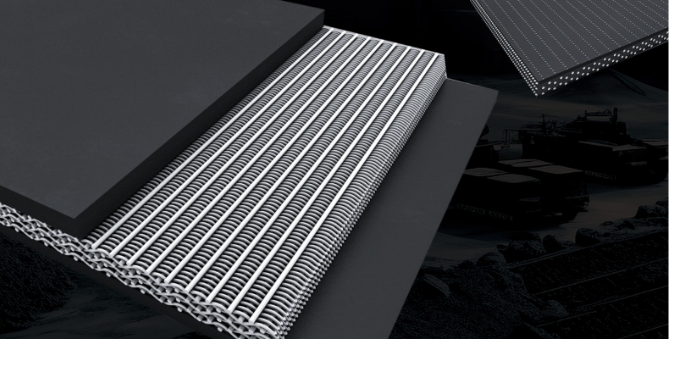
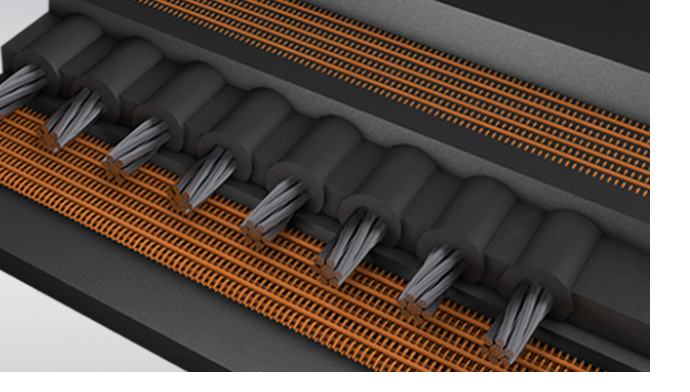
The first selection question is whether the project needs a steel cord conveyor belt, a fabric core conveyor belt or a special construction belt. Steel cord belts are commonly used for long-distance, high-tension and high-capacity routes. Fabric core belts are often used for medium-duty routes, shorter conveyors or general industrial conveying.
For long routes, strength grade must match conveyor tension and safety margin. For replacement projects, existing belt model, pulley diameter, take-up distance and splice condition can also influence the final recommendation.
Steel Cord Belt
Best suited for long-distance, high-tension and heavy-load mining conveyor routes.
Fabric Core Belt
Suitable for many medium-duty, shorter-distance and general bulk-material lines.
Special Structure
May be required for pipe conveyor, high angle, impact, tearing or special route conditions.
Component Matching
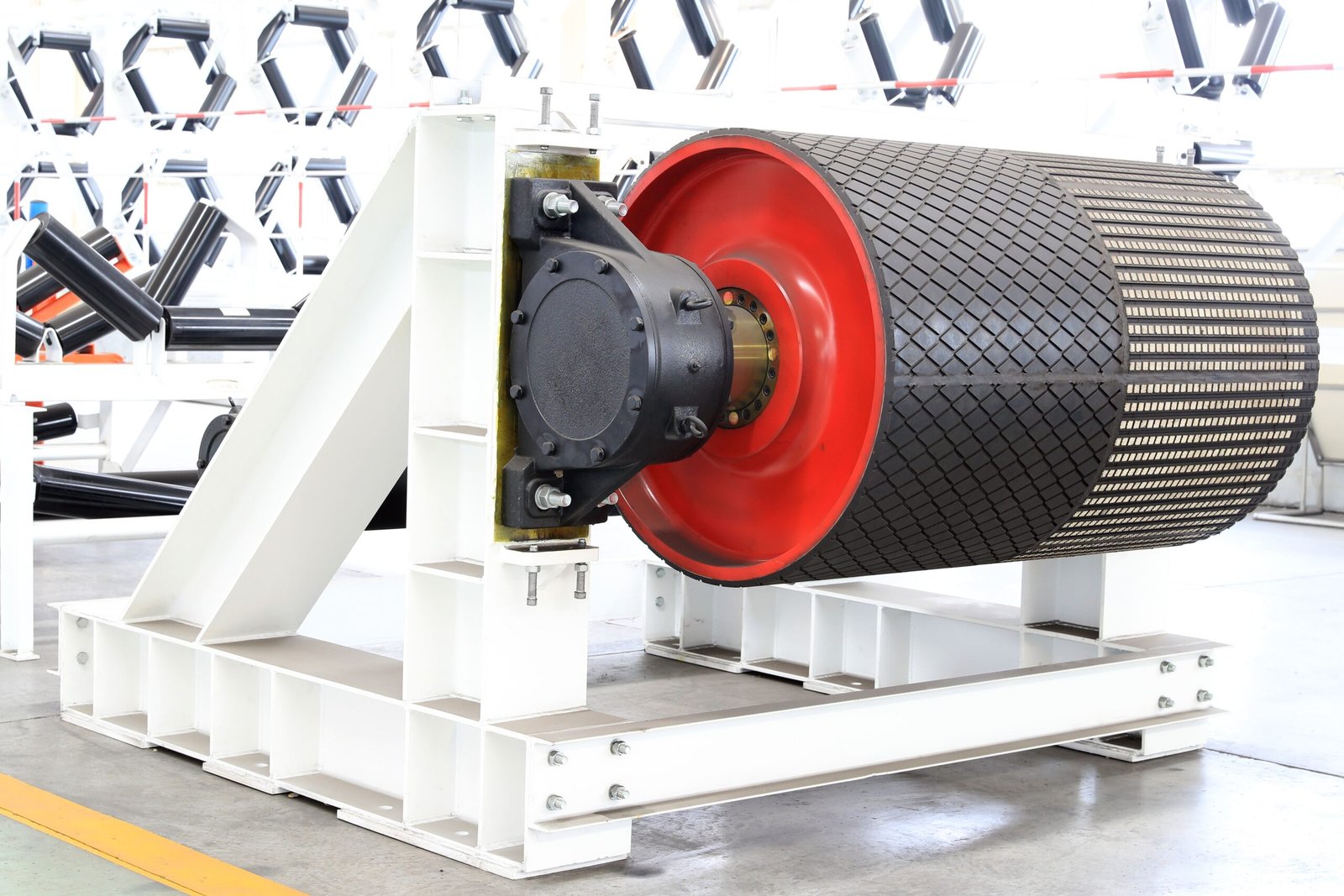
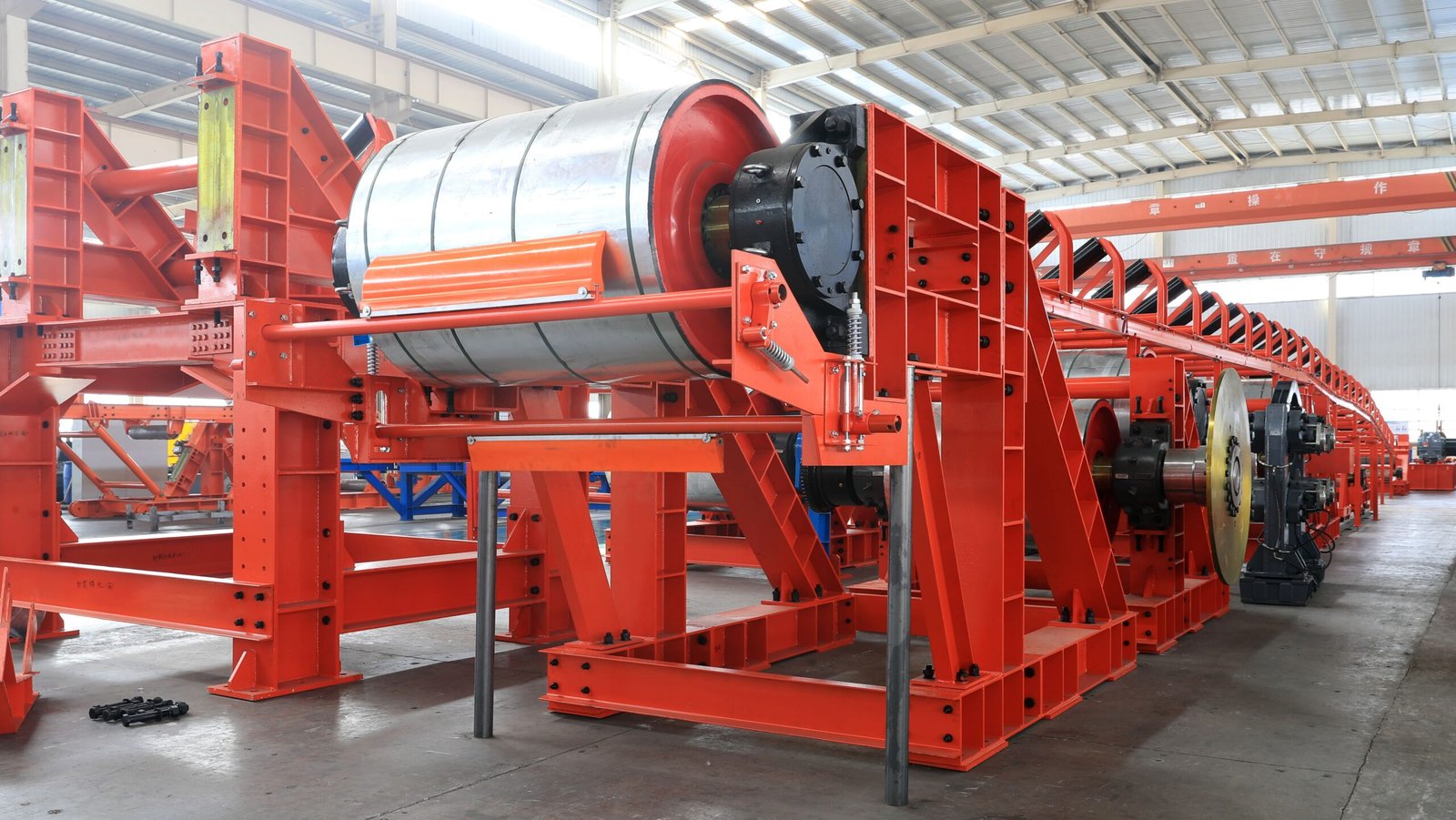
Pulleys, idlers, cleaners and transfer points affect belt life and route stability.
Cover Grade Should Match The Material.
The belt cover is the part that directly contacts the material and operating environment. If the material is abrasive, sharp, hot, sticky or flame-risk related, the cover grade becomes one of the most important decisions.
For example, coal mining may require flame-resistant belt direction. Clinker and hot material routes may require heat-resistant cover. Sharp ore or heavy impact loading points may require tear-resistant or impact-resistant solutions. Selecting a cover only by general-duty pricing can shorten belt life quickly.
- Abrasion-resistant cover for ore, aggregate, limestone and high-wear material routes.
- Flame-resistant belt direction for coal mining and controlled-risk conveying environments.
- Heat-resistant belt cover for clinker, coke, sinter and high-temperature bulk materials.
- Tear or impact-resistant belt direction for heavy lumps, sharp edges and difficult transfer points.
Not sure which belt type fits your route?
Send the working condition first. Yuanjin Industrial can help confirm whether the inquiry should start from belt structure, cover grade, components or complete conveyor system review.
Application Risk Changes The Product Direction.
Many belt failures are not caused by the belt alone. Mistracking, material spillage, abnormal cover wear, edge damage and splice problems can be linked to loading point design, idler condition, pulley alignment, belt cleaner pressure or route layout.
For replacement inquiries, the current problem is valuable selection data. Photos of damaged belt surface, edge wear, splice condition, loading point and pulley area can help the supplier understand whether the requested belt should be upgraded or whether related components should also be checked.
Data Needed For A Useful Quotation.
To make the quotation more accurate, buyers can prepare the following details before sending an inquiry. If some data is unknown, the available information can still be used to start the review.
- Handled material: coal, ore, aggregate, cement, clinker, port cargo or other bulk material.
- Capacity and route: tph, belt width, conveyor length, lift height, speed and inclination.
- Duty risks: abrasion, impact, heat, flame, tearing, moisture, outdoor exposure or sticky material.
- Existing belt data: current belt type, strength grade, cover grade, service life and failure issue.
- Commercial data: quantity, roll length, destination market, standards, documents and delivery schedule.
With this information, Yuanjin Industrial can respond with a more focused belt route, related product suggestion and follow-up questions for final quotation.